If you’re a small business owner, when was the last time you checked your insurance coverage?
Even if you’ve never had to file a claim, your policy isn’t something you should ‘set and forget.’ Today’s business landscape is full of uncertainties, and your business is constantly evolving. You’ll want to make sure your coverage reflects that — otherwise, you could find yourself with gaps in coverage.
Gaps in coverage could leave your business exposed to costly operating risks. If your insurer isn’t notified of a major change, your claim may be refused. If you’re underinsured, you may end up paying the difference out of pocket. And without the right coverage, a major loss — such as a lawsuit — could derail your business.
Ideally, small business owners should review their policy annually or immediately after any significant changes to the business. Changes could include launching a new product or service, purchasing major machinery or equipment, opening (or closing) locations, expanding to new markets, or hiring more workers.
Maybe you’ve moved your bricks-and-mortar business onto digital platforms. Maybe you’ve purchased a company vehicle so you can offer home delivery services. Or maybe you’ve shifted to a just-in-case inventory model to boost your supply chain resilience. Even something as simple as stockpiling additional inventory could impact your property coverage limits.
A small business insurance review could help pinpoint gaps in coverage. Say, for example, a fire destroyed some of your equipment and inventory. Your commercial property insurance would help cover those replacement costs. But if you were forced to temporarily shutter your business during cleanup and restoration, your commercial property coverage wouldn’t cover ongoing expenses such as rent and payroll. For that, you’d need business interruption insurance.
Some gaps in coverage may be less obvious. For example, if you purchased your commercial property policy five years ago and haven’t updated it, it may not reflect the rising cost of construction materials and labour: according to government data from 2025, the cost of constructing a residential building in Canada has increased 58 per cent since 2020.
U.S. tariffs on materials such as steel and aluminum could drive prices up further and, in some cases, make it harder to secure materials. Statistics Canada notes that builders are reporting longer lead times and fewer reliable sourcing alternatives, which can exacerbate these cost challenges.
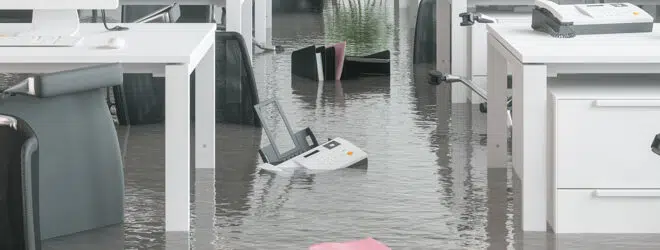
That means the replacement value of your property may be much higher than it was five years ago. So, in the event you have to rebuild, your policy may no longer provide adequate insurance coverage. This comes at a time when small business owners are at a heightened risk of having to rebuild, thanks to the escalating frequency and severity of natural catastrophes.
According to the Insurance Bureau of Canada, more than 53,000 businesses initiated claims resulting from severe weather in the five-year period ending in 2025, compared to about 40,000 in each of the two preceding five-year periods. With the rising cost of rebuilding, the Insurance Bureau of Canada notes that “this increases the potential for outdated insurance valuations that are dangerously out of sync with the current market cost of rebuilding.”
While the business landscape is full of uncertainties, so too is the cyber landscape. This is an area where many small businesses have gaps in coverage — or no coverage at all.
A BDC poll found that 73 per cent of Canadian small businesses have experienced a cybersecurity incident, including phishing attempts, malware attacks, ransomware attacks, data breaches and distributed denial-of-service attacks. Of those, 41 per cent said it disrupted their operations and 20 per cent said it resulted in significant unplanned expenses. Other issues included loss of sensitive data, reputational damage, and an increase in insurance premiums.
While an insurance review can help you find gaps in coverage, it could also reveal coverage you no longer need. For example, if you’ve downsized your workforce, you can adjust your workers’ compensation and liability coverage. If you’ve closed a physical location or reduced your inventory, you can adjust your commercial property or contents insurance accordingly.
Working with your insurer could also help you find ways to save money: you may be able to get a discount on your premium if you bundle coverages (including personal and business coverages), install a security system, or deploy digital safeguards.
Having the right small business insurance in place is critical to safeguard your business against the growing demands of a shifting marketplace, and unexpected challenges that could emerge in your industry. Those needs will change over time, so it’s important to regularly review your coverage and make sure it reflects your current reality. Learn more about protecting your small business by visiting our small business insurance page today!